
Why Learn Palestinian Arabic Online?
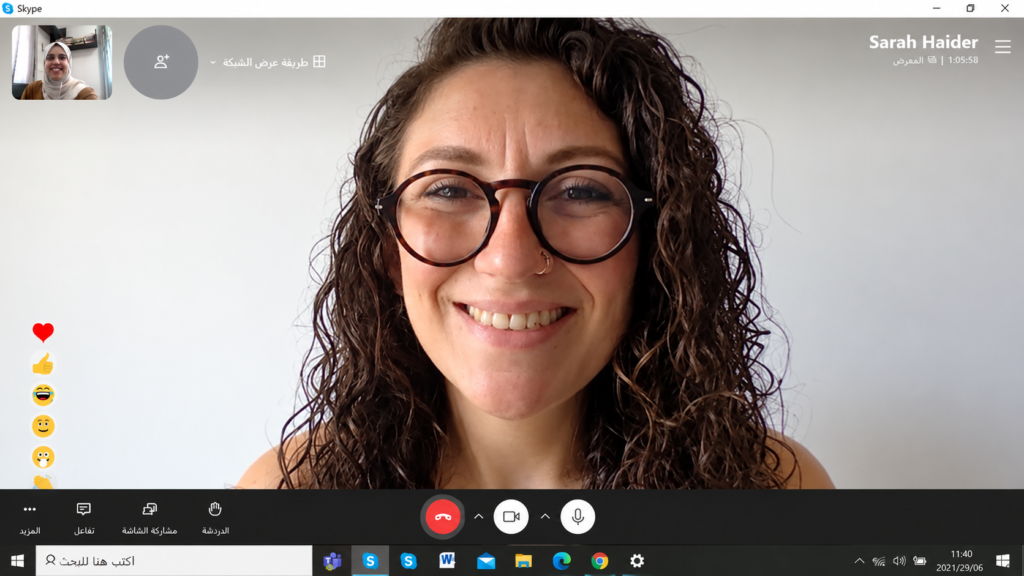
Have you ever wanted to understand Palestinian Arabic, communicate naturally with Palestinian people, or discover Palestinian culture through its everyday language? Learning Palestinian Arabic online is an excellent way to develop practical communication skills while connecting with one of the Levant’s rich linguistic and cultural traditions.
Whether you are a complete beginner, an Arabic language student, a traveler, or someone with Palestinian family connections, studying Palestinian Arabic can open the door to meaningful conversations and a deeper understanding of Palestinian society.
With Go Palestine, you can explore online Palestinian Arabic lessons designed to help you develop your speaking, listening, and conversational skills from anywhere in the world.
1. Learn the Arabic People Actually Speak in Palestine
One of the main reasons to learn Palestinian Arabic is the opportunity to understand the language used in everyday life. Palestinian Arabic, commonly known as Palestinian Ammiya (العامية الفلسطينية), is spoken in homes, markets, cafés, workplaces, and social gatherings.
While Modern Standard Arabic (Fusha) is used in formal writing, literature, news, and official communication, Palestinian Arabic is the language of most informal daily conversations. Learning Palestinian Ammiya helps students understand natural expressions, common vocabulary, and the way people communicate in real-life situations.
Through Go Palestine’s online learning opportunities, students can focus on practical spoken Arabic rather than relying exclusively on formal textbook language.
2. Communicate Naturally with Palestinian People
Learning Palestinian Arabic makes it easier to communicate with Palestinian friends, colleagues, family members, and local communities. Even a basic understanding of the dialect can help you participate in conversations, ask questions, and express yourself more confidently.
Students can learn how to introduce themselves, talk about everyday activities, discuss personal interests, and understand common expressions. For people planning to visit Palestine, learning the local dialect before traveling can make their experience more meaningful and enjoyable. Online Palestinian Arabic lessons provide an opportunity to prepare for these interactions while developing useful language skills.
3. Discover Palestinian Culture Through Language
Language is closely connected to culture, identity, and everyday traditions. Palestinian Arabic reflects the experiences, customs, humor, hospitality, and social relationships of Palestinian communities. Many expressions carry cultural meanings that cannot always be translated directly into English.
By studying Palestinian Arabic, learners can better understand Palestinian music, films, storytelling, food traditions, and everyday conversations. At Go Palestine, we believe that learning a language is also an opportunity to discover the people and culture behind it.
4. Learn Palestinian Arabic from Anywhere in the World
One of the greatest advantages of studying Palestinian Arabic online is accessibility. You do not need to travel to Palestine or relocate to another country to begin learning the dialect. With an internet connection, you can attend online lessons from your home, university, workplace, or while traveling.
Online learning can be especially convenient for students who have limited time, work commitments, or other responsibilities. It also allows people who cannot currently visit Palestine to remain connected to the language and culture.
5. Learn with Palestinian Arabic-Speaking Teachers
Learning with teachers who speak Palestinian Arabic provides valuable exposure to authentic pronunciation, everyday vocabulary, and local expressions. Teachers can explain how words and phrases are used in real conversations and help students understand differences between formal Arabic and spoken Palestinian Arabic.
Through interactive lessons, students can practice speaking, improve listening comprehension, and receive feedback. Go Palestine aims to connect students with meaningful language learning opportunities that emphasize communication and cultural understanding.
6. Improve Your Speaking and Listening Skills
Many Arabic learners spend considerable time studying grammar and reading but have fewer opportunities to practice speaking. Learning Palestinian Arabic online can help address this challenge by placing greater emphasis on conversation.
Lessons can include dialogues, listening exercises, pronunciation practice, role-playing activities, and discussions about everyday topics. As students progress, they can move from simple greetings to longer conversations about family, education, work, travel, and culture. Regular practice helps learners become more comfortable understanding and using spoken Arabic.
7. Understand Other Levantine Arabic Dialects
Palestinian Arabic belongs to the Levantine Arabic family, alongside Jordanian, Syrian, and Lebanese Arabic. These dialects share many vocabulary items, grammatical features, and everyday expressions. As a result, learning Palestinian Arabic can also help students understand speakers from other parts of the Levant.
Although pronunciation and vocabulary vary between regions, Palestinian Arabic provides a useful foundation for exploring the wider world of spoken Levantine Arabic. This makes it particularly valuable for travelers, researchers, professionals, and students interested in the Middle East.
8. Prepare for Traveling or Volunteering in Palestine
If you are planning to visit Palestine, learning Palestinian Arabic before your trip can significantly improve your experience. Basic conversational skills can help you communicate in shops, restaurants, markets, and community settings.
For international volunteers, knowing common Palestinian expressions can also make it easier to build relationships and participate in everyday activities. Go Palestine’s online Arabic learning opportunities can be a useful starting point for students and volunteers preparing to spend time in Palestine. Even learning simple greetings, questions, and expressions can help create more meaningful interactions with local people.
9. Explore Palestinian Arabic Expressions
Palestinian Arabic includes many useful expressions that learners can begin practicing from their first lessons.
| English | Palestinian Arabic | Pronunciation |
|---|---|---|
| Hello | مرحبا | Marhaba |
| How are you? | كيفك؟ | Keefak / Keefik |
| What is your name? | شو اسمك؟ | Shu ismak / ismik |
| I want | بدي | Biddi |
| Where? | وين؟ | Wein |
| Why? | ليش؟ | Leish |
| What are you doing? | شو بتعمل؟ | Shu bti’mal? |
| I don’t know | ما بعرف | Ma ba’raf |
| Thank you | شكراً | Shukran |
| Let’s go | يلا | Yalla |
| No problem | ولا يهمك | Wala yhemmak |
Expressions and pronunciation may differ across Palestinian cities, villages, and communities. Learning with a Palestinian Arabic speaker helps students become familiar with these variations and understand how the language is used naturally.
10. Learn About Different Palestinian Dialects
Palestinian Arabic is not completely uniform. Different regions and communities have distinctive accents, vocabulary, and pronunciation patterns. For example, the Arabic spoken in Hebron, Jerusalem, Nablus, Gaza, and rural communities can differ in noticeable ways.
These variations reflect Palestine’s linguistic diversity and cultural history. Students interested in Palestinian Arabic can explore these regional differences as their language skills develop. Understanding different accents can also improve listening comprehension and help learners communicate with a wider range of speakers.
11. Flexible Online Palestinian Arabic Lessons
Online Arabic learning offers flexibility for students with different schedules and goals. Some learners prefer occasional lessons to practice conversation, while others want a more structured and intensive learning experience.
Depending on available arrangements, students can explore private lessons, regular weekly sessions, or more concentrated study options. Lessons can focus on beginner communication, intermediate conversation, advanced speaking, or specific topics relevant to a student’s interests.
Go Palestine aims to help students find learning opportunities that match their level and availability.
12. Palestinian Arabic vs. Modern Standard Arabic
Students often wonder whether they should learn Palestinian Arabic or Modern Standard Arabic. Both are valuable, but they serve different purposes. Modern Standard Arabic is used in formal communication, writing, literature, and news across the Arab world. Palestinian Arabic is primarily used in everyday conversations.
Here are some examples:
| English | Modern Standard Arabic | Palestinian Arabic |
|---|---|---|
| What do you want? | ماذا تريد؟ | شو بدك؟ |
| Where are you going? | إلى أين تذهب؟ | وين رايح؟ |
| I don’t know | لا أعرف | ما بعرف |
| I want water | أريد ماءً | بدي مي |
| Why? | لماذا؟ | ليش؟ |
Students who want to read Arabic literature or understand formal news may benefit from studying Fusha. Those who want to communicate naturally with Palestinians may prefer Palestinian Ammiya. Learning both varieties can provide a broader understanding of Arabic.
13. Who Should Learn Palestinian Arabic Online?
Online Palestinian Arabic courses can be suitable for a wide range of learners, including:
- Complete beginners interested in spoken Arabic
- University students studying Arabic or Middle Eastern studies
- Travelers preparing to visit Palestine
- International volunteers and community participants
- Professionals working with Arabic-speaking communities
- Researchers and journalists
- People with Palestinian family or heritage connections
- Anyone interested in Palestinian language and culture
Previous knowledge of Arabic is not necessarily required to begin learning Palestinian Ammiya.
14. Why Choose Go Palestine for Online Palestinian Arabic Courses?
At Go Palestine, we believe that learning Arabic should be an engaging and meaningful experience that connects students with real people and everyday culture.
Our approach emphasizes practical communication, interactive learning, and opportunities to understand Palestinian society through its language. Online lessons allow students to explore Palestinian Arabic regardless of where they live. Whether you want to develop basic speaking skills, improve your conversational fluency, or prepare for a future visit to Palestine, Go Palestine aims to provide learning opportunities suited to different goals.
By studying Palestinian Arabic through Go Palestine, you can strengthen your language skills while developing a deeper appreciation of Palestinian culture and traditions.
15. Start Learning Palestinian Arabic Online with Go Palestine
Learning Palestinian Arabic online is an opportunity to develop valuable communication skills, discover a rich cultural heritage, and build connections with Palestinian people. From understanding everyday greetings to participating in longer conversations, each lesson can bring you closer to using Arabic confidently.
With Go Palestine, you can begin your Palestinian Arabic learning journey from anywhere in the world. Learn Palestinian Arabic Online with Go Palestine – Speak the language, connect with the people, and discover Palestinian culture.
Contact Go Palestine to learn more about available online Palestinian Arabic courses, lesson schedules, and registration opportunities.